
(Episode 164) Technicians uncovered: inside Tech Exchange at Leeds
🎙️ Technicians at the heart of research culture: insights from Tech Exchange at Leeds
In this special episode of Research Culture Uncovered, Dr Emily Ennis hands over the mic to Lily Caprioli, a student ambassador at the University of Leeds, who interviews colleagues across the annual Tech Exchange Fair — a showcase of the people and skills powering research behind the scenes.
What you’ll hear:
Research is a team sport. From senior leadership to lab specialists, contributors emphasise that technicians are fundamental — the people who keep systems running, solve problems, and help teams think differently.
Visibility matters. Events like Tech Exchange create space to showcase expertise, connect across departments, and ensure technical contributions are recognised beyond individual labs or teams.
From “hidden roles” to recognised expertise. Conversations highlight ongoing work around fair attribution, technician profiles, and recognition — with real progress, but more still to do.
Collaboration within and beyond institutions. From cross-faculty working to initiatives like the White Rose Consortium and Yorkshire Technician Exchange Partnership (YoTEP), sharing knowledge strengthens both individuals and the wider research ecosystem.
Diverse careers, shared impact. Whether in labs, libraries, collections, or engineering workshops, technicians bring specialist expertise, creativity, and adaptability — often shaping research in ways that go unseen but are essential.
🎙️ People featured in this episode
- Professor Nick Plant (Pro Vice-Chancellor for Research and Innovation, University of Leeds)
- Claire Knowles (Acting Director of Library Services, University of Leeds)
- Lesley Neve (X-ray Technical Specialist)
- John Warwick (Technician Champion)
🏛️ Projects, initiatives & organisations referenced
- Technician Commitment
- White Rose University Consortium (Leeds, Sheffield, York)
- Yorkshire Technician Exchange Partnership (YoTEP)
- Fair Attribution Policy
- CREDIT taxonomy
- ORCID identifiers
- Institute of Technical Skills and Strategy (ITSS)
This episode is a celebration of the people, skills, and community that make research possible — and a reminder that strong research culture depends on recognising every contribution.
Please note
This episode was recorded live at a busy event — you may hear background noise, but we hope it captures the energy and enthusiasm of the Tech Exchange Fair!
Transcript
Emily Ennis
Welcome to the Research Culture Uncovered podcast. This is Emily E, but it won't be for very much longer. Today is a change to our normal podcast format. This episode is a series of interviews led by Lily, one of our students here at Leeds. She's interviewing attendees at our tech exchange fair. This is held annually to showcase all the fantastic activities led by technicians here at Leeds. It's a bumper episode.
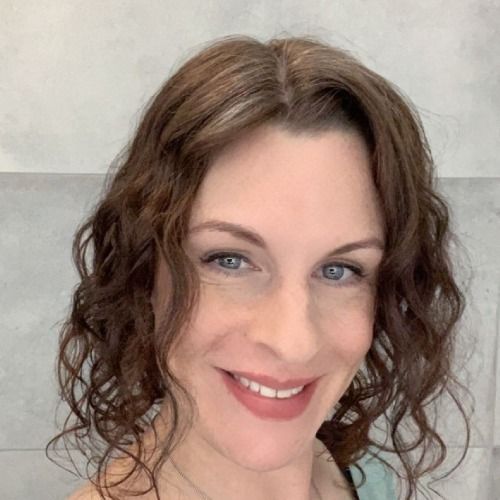
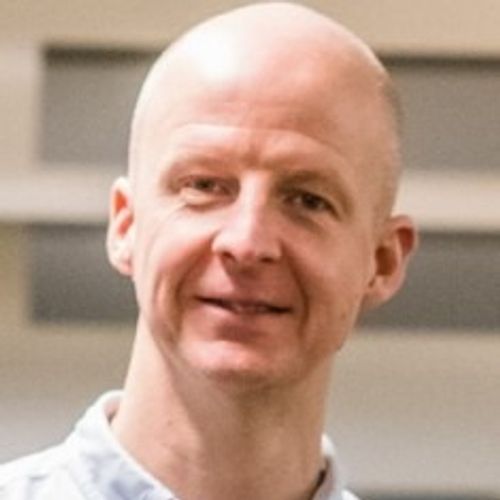
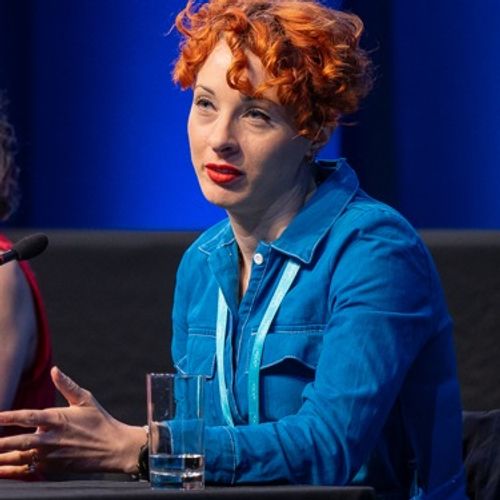
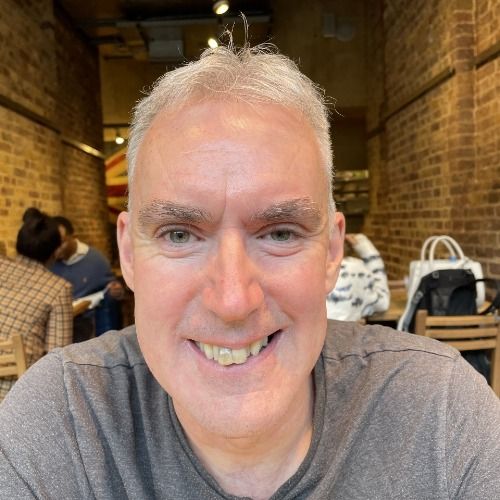
But in it, you'll hear thoughts from key players at Leeds, including Professor Nick Plant, Pro Vice Chancellor for Research and Innovation, followed by Claire Knowles, Acting Director of Library Services, Lesley Neve, an X-ray Technical Specialist, and John Warwick, one of our Technicians Champions. Get comfy, and we hope you enjoy this very, special edition of the podcast.
Lily Caprioli
So hi, I'm Lily. I'm a journalism master's student and I work as a student ambassador for the Department of Digital Education at the University of Leeds. And today I'm in the Parkinson building interviewing our fabulous technicians at the Tech Exchange Fair.
I am here with Professor Nick Plant, who is our Pro Vice Chancellor in Research and Innovation. So hello Nick.
Nick Plant
Hello. So my name's Nick Plant. I am the Pro Vice Chancellor of Research Innovation at the University, which means I look after our entire portfolio of research that goes on.
The reason I'm at Tech Exchange is because you cannot do research without the technicians. our technicians are fundamental to everything we do and we should celebrate that. Yes, quite right. And staying on the ⁓ fundamental role of technicians, how do they support the university's strategic aims for research and research culture in general? Research is a team sport. This is not something that is done in isolation.
And it involves academics, it involves professional support services, staff in terms of finances, in terms of getting the grants working, and critically it involves the technical staff. If you want to have a piece of equipment working, if you want to understand how to develop a new approach, if you want to think about how to work in a different environment, the people you turn to are the technicians. So they are the glue that helps drive and pull together our research ethics.
Lily Caprioli
Do you have any specific example where a technician sort of literally saved the day in a certain research area or something like that?
Nick Plant
So I think a good example of why technicians are fundamental is actually the work that we carry out at St James's in the genomics lab. Because there they work on not just helping us to understand how genetics can predispose you to disease, but they also form a fundamental part of the NHS screening service. So they help to ensure that patients get proper diagnosis and proper treatment. They are fundamental to keeping the machines running and when new machines come in, they are the ones that get them working, they are the ones that actually mean that we can use that new technology to help patient outcomes and to ensure people can live healthy and long lives.
Lily Caprioli
Wow, that sort of also sounds very interesting and highlights the importance of technician roles. And why should universities consider technicians as part of their research culture efforts?
Nick Plant
I think they should do that for two reasons. First of all, as I said, this is about a team effort, and technicians are a core part of that team, and you have to look after everybody. It's not just thinking about the shiny people at the front. It's thinking about that entire team that drives things forward. But I think actually there's another reason as to why we should really respect and embrace our technicians. The fantastic thing about universities is their diversity. So we have staff from over 140 countries around the world. They bring different viewpoints. We have people who come from different backgrounds and that lived experience is what helps people to grow and develop to be the leaders of tomorrow, to gain new skills. The technicians are a fundamental part of that. They bring a different aspect of how you approach life than perhaps some of our academic colleagues as an example.
Lily Caprioli
And how do you think that events like Tech Exchange, which we're hosting right now, how do you think that this contributes to research culture in general?
Nick Plant
So Tech Exchange first of all, for the technicians to be able to show what they do, and it's a showcase where you can wander around and go, they do that over there. Perhaps I could apply that approach to what I do. So there's a learning piece to it. There's also a sharing and understanding. So I was just talking to a technician about how they've had the opportunity to go and work in York to gain some work experience. And the way we work here across the White Rose Consortium, the Tech Exchange is a way of helping that to go and helping people to learn from other technicians. But finally, and the reason I think Tech Exchange in particular is really important, it's an opportunity for me as a senior leader from the university to go out and thank our technicians, to go and meet them. I see a lot of the same faces every year, and it's great to catch up with people I might not normally see and thank them for the great work that they do and listen to what they want to say to me.
Lily Caprioli
Hmm, So would you say that Tech Exchange is crucial for the visibility of technicians in a way?
Nick Plant
Absolutely. So within faculty, within a department, everybody knows their technicians, but you go outside of that building or that area, suddenly you may not recognise what somebody does. Tech exchange is all about the technicians. It's all about say, these are the people that help to drive our research effort. These are the people that set up our student education to get to generate the next group of leaders. So it's really important to showcase their skills.
Lily Caprioli
Well speaking of skills, what skills do you think make a good or a great technician? What do you think is important to this job, which sounds very noble and very underrated in a way?
Nick Plant
I think there are two things that when I look back through my training, the technical staff did. The first thing is they don't give you the answer, they lead you to the answer. So they are actually a really important part of training our staff to think. The other thing that a great technician has is patience. The number of times you can see a technician explaining something for the umpteenth time until the little light goes on and somebody else goes, that's how it works. That ability to actually be patient to help and realise everybody has to learn is something that I really respect across our technician group.
Lily Caprioli
And well going back to your training, how have you seen this profession evolve over the years?
Nick Plant
So I think I think the role of the technician has become much more apparent. So when I was doing my PhD, so back in the mid-90s, technicians were really invisible. So they would work in their labs, but outside of that, I don't think they were recognized either visibly or as part of their job. Nowadays, events like this raise their profile, they show that they are important, but also the work that we've done, for example, around the fair attribution policy. So if a technician does work for a project, they will be on that paper. There's some posters over the other side of the room where the first author is a technician. That is fantastic because they deserve to be that first author. And seeing that happens shows me that they are really an important part of our research culture and the research drive that we have here.
Lily Caprioli
And would you say that there's still some misconceptions about what the job of technician is about, in the sense that people think of it primarily as like a practical profession rather than an academic or intellectual one?
Nick Plant
I think there is. I think that still it's easy to fall into the trope of thinking that the technician comes in, sets something up. Somebody else does the clever stuff and then they take it away again. We need to keep reminding people that actually the reason that you've got a fancy new technique that you want to do is because the technical staff are the ones that have thought about it, they're the ones that have tested it, they're the ones that have developed it, and they've really supported the research community, that research team to be able to do the cutting-edge research that they want to do by doing a lot of the legwork behind. And that's why they're so fundamental to our effort and to meet the research ambitions of the university. I am the champion for the technician's commitment. I am the person who will constantly go out and say technicians are important. So for me that's my role. But when I say role it's not because somebody's told me I have to do it. It's because I believe it's the most important thing that I can do to support our technicians.
Lily Caprioli
Hmm, very interesting. And so going back to your career, so you did you start out as a technician?
Nick Plant
No, so I went through the traditional route. I did an undergraduate degree, then I went on to a PhD and then I got a a fellowship. But so I worked with technicians because I'm a I'm a laboratory scientist by training. But I didn't start as a technician, although my mum was a technician.
Lily Caprioli
Very interesting. So yeah, runs in the family in a sense. And do you think you'd like to see more people joining in and kind of open up to more sort of profiles in a way?
Nick Plant
Absolutely. I think that one of the real advantages of our technical staff is they know a huge amount of detail on their area. They also have a lot of transferable skills. So that gives them the opportunity to go somewhere else, try something different, and pass on that knowledge to support other people. And it's one of the reasons why we're working across the White Rose Consortium to bring technicians from the three universities together because it allows them to share their knowledge and all of our institutions we're gaining from it. And hopefully the technicians will gain from it as well.
Lily Caprioli
So going back to that White Rose Consortium, so which three universities are those?
Nick Plant
So it's the University of York, the University of Sheffield and the University of Leeds
Lily Caprioli
And can you kind of elaborate on that project, especially? Like when did it start, whose initiative it was,
Nick Plant
So the White Rose Consortium, the three universities have worked together now for over a decade and the idea has always been we want to support people to grow because to be honest, lots of people move from Leeds to go and work in York or from York to Sheffield or from Sheffield. We know we share the same pool of staff. So it's in our interest to support all staff to be the best that they can be. So, two years ago now we started a process of building development modules and really supporting all of our staff, and one of the parts of that is the tripartite working for the technicians.
Lily Caprioli
And so projects like the White Rose Consortium, what kind of role do they play in the technician community, would you say?
Nick Plant
So I think that they're a convener. What they that what they should do is they should bring together people because even three Russell Group Universities, each of us has a large technician community.
But if you go down to a specialism, we might only have one or two. So by the time you bring the three universities together, you've got a better group, you can have a better discussion. So by bringing those together, it convenes them and it enables our technicians to think about what they do next.
I think the work we've been doing around career pathways, the work we're doing around to support the development of our technicians is fantastic. the reason I love working at Leeds is we feel like a community. I walked in into here today and I can walk around and I can see technicians and just stop and have a conversation with them. That is fantastic and that's the sort of lovely community feel that I think the University of Leeds has built up over the years and that's why it's such a fantastic place to work and to develop your career.
Lily Caprioli
So would you say that the sense of community is quite vital to careers of technicians?
Nick Plant
I would I would hope so because again if you think about the team research piece, if you think about when all have to work together. If what I'm doing is I'm just telling you to do something because I don't value you, then you're not going to enjoy your job, you're not gonna want to to to work hard, you're not gonna want to develop your career here. So for me that sense of community, that sense of proper research culture, where we all work together, we all respect what we bring to that effort, that's the community that I want to develop at Leeds and I think we're not perfect, but we're getting there and that's really important to me.
Lily Caprioli
Right, and well bouncing back on what your the we're not perfect, what do you think could improve, not just at Leeds, but in general, for technicians, for the job itself?
Nick Plant
I would say there's probably two things. I think the first one is we can always get better at talking. we can always get better at sharing our knowledge and thinking about how we listen to people actively rather than talk at them. And so this is why events like this are important, because it's chance for me as a senior leader in the university to come and listen to people and go, what are the things that concern you? What are the problems? Because if I understand those, then hopefully I can help bring solutions that will help people develop their careers. I think the other one that is a perennial problem is the fact that hire staff on a business need. So if we need a grade six, we need a grade six, we don't need a grade seven. and that makes career progression challenging in the professional services, in the technical services. I don't think I have a simple solution to that, but we have to work on it. And the work that we're doing with the White Rose Consortium is part of that. Thinking about ourselves as a wider employment pool to make sure that we do the best by our staff, even if that means losing them from this organisation, I still think that's a success because I owe it to I owe it to our technicians to help them be the best that they can be and have the careers that they want to have.
You can never say somebody's gonna come to any company and stay there for the rest of their lives. They will they may well move on to get the job that they want to go to next. What I would like to do is I would like to think that if I can create a research culture that feels progressive, friendly, the right place to work, then somebody might leave to go get a job somewhere else. But they'll come back later because they'll remember that Leeds is the place they want to go.
Lily Caprioli
Yeah, so there's a networking aspect which is still important to technicians to that sort of career, isn't it?
Nick Plant
Absolutely and this is where events like this i is great. I mean I'm looking at now at people I can see an executive dean talking to a technician at the moment. There's just this chance for the excitement, the bubble that you hear of people talking about what they do and the fact that they're really proud of what they do and that's fantastic.
Lily Caprioli
And so what sort of advice would you give to any young graduate kind of seeking a career as technician or something adjacent to that?
Nick Plant
So I think the first thing that I would say is my biggest piece of career advice is do what you find interesting. And I think people who are good technicians are people who really like to get under the skin of whatever they do, understand it, and help deliver it in the best form possible. Whether that's helping to set up the performing arts stage that we have here, or a piece of genomics equipment, it doesn't matter what you're doing, they want to be the best that they can be. So for me, the advice is do what you find interesting because just do it better because it will be fun. And then those opportunities will come. And never be afraid to ask for advice and help. Again, something I really love about this university is we don't have, at least we shouldn't have barriers. I want any member of our staff, whatever the grade, whatever they do, to feel that they can knock on my door and go, How do we do this? That's the sort of culture we should have. We should have one where we're supporting everybody.
Lily Caprioli
And so I'm realising I should probably have asked you that at the start of this interview, but how would you define the job of a technician?
Nick Plant
That's a great question. I think that for me, technicians are they are supportive, they are solutions focused. They're generally happy. And I say that because if you're going to drive things forward and the technicians are the bedrock of doing that, you also have to drive the culture. And to do that, you have to be the person that smiles, you have to be the person that encourages. So it's not just about providing a technical solution. It's about it's about actually setting that environment that help things really, everybody flourish.
Lily Caprioli
Right, yeah. And how about the focus on the research aspect of a technician and what kind of how would you describe that aspect in a way?
Nick Plant
So when I look back to the start of my career and the technician that I first knew, a guy called Declan, what Declan did was two things. First of all, he was the person that if you had a problem you went to and he would solve it. Really? He was the person that you felt confident he'd know how to do it. But the other thing that he did that I think research technicians are really important for is he very, very quietly organised everybody without us really realizing it and made the lab work. So he set it up so that if he didn't have time to show somebody how to do something, he'd get the PhD student to do it or whatever. And that ability to gently organise people. Because a technician can see the bigger environment and work out what needs to be done is something I'll always remember from him. And he was a genuine part of our team. He was on all of our papers. if we went out for an evening, he would be there. he was just a part of the team in the same way as the senior professor was, as the PhD students was. And that's what a technician should be, another valued member of a team.
Lily Caprioli
And speaking of yeah, teams and everything. What sort of environment are we looking at something that's more like closer to a corporate environment? Or, you know, 'cause when we think junior careers, young careers, what do you think really makes a technician career stand out compared to any sort of other job offer a young graduate might get?
Nick Plant
So I think that I'd answer that in in two ways. The first thing I'd say the difference between a university and say so my background is I worked with pharmaceutical companies for many many years. The difference between being a technician in a university and in a big pharma company for example is the atmosphere and environment of the university is frankly less cutthroat. It's much more supportive and helping you to grow and develop your career. So our apprentice technicians that come in it's a great way of setting up and learning what you want to do and what you enjoy. So the the first part of it is that universities are a great place to come and develop your career.
The second part of really what makes a university and what makes a technician the sort of right role for you to do is probably you've spent your life trying to fix things. It's amazing how many of our stands round here have Lego on them.
Lily Caprioli
Yeah. And it's very impressive as well, displays, yeah.
Nick Plant
And it's and it's fantastic. But that that's that to me is a very technician thing because a technician wants to see something and from lots of little bits build it together to make something that tells a story, whether it's the sequencer over there or the alignment Lego that's over there.
Lily Caprioli
Very impressive, yeah, very impressive.
Nick Plant
It's about telling a story. So it's not just about being a technician, it's about being a university technician.
Lily Caprioli
And do you think it's the education element to that environment which makes it a really unique profession?
Nick Plant
I think it is and I think it's the, as I said, we have such a diversity of people in our staff and in our students. You have a chance to grow as a person, not just as an employee. And that's a fantastic aspect of universities you frankly don't get in very many other sorts of companies. I'd just say that as I walk around Tech Exchange, I'm just immensely proud. I'm immensely proud of how good our technicians are, but also how proud they are of what they do and I think if we can continue to do that we will grow and be better and better.
Lily Caprioli
Well, thank you very much, Nick.
Nick Plant
Absolute pleasure.
Lily Caprioli
I'm here with Claire Knowles
Claire Knowles
Hi, I'm Claire Knowles and I'm the Acting Director of Library Services and also in my substantive role I'm the Associate Director for Research and Digital Futures at the University of Leeds Libraries. So what that means is that part of my responsibilities are physical buildings and making sure that they're open and that we've got the right spaces for our staff and students here at Leeds but also our main collections, so those are our journals and our things you see on our open shelves and I've got an amazing team who support me there. And then among a substantive role it's our support for researchers so that's getting open access so making sure that people's research outputs can be findable and reusable and interoperable in our research data repositories and open access repositories that we do with the universities of Sheffield and York, supporting researchers with training for research data, bibliometrics, literature searching, et cetera. yeah, any help you need in getting your research out there, my team and the people to support you with that.
Lily Caprioli
And so why is your presence here at Tech Exchange? Why did you think it was important that you be here today?
Claire Knowles
So partly it's to support the team from Cultural Collections and Galleries who are here and showcasing what they do with digitisation and conservation for our rare and unique materials here that we are really fortunate to have amazing collections at the University of Leeds and why we have them is to make them available for research and teaching and they make sure that things can be made available publicly, openly online.
But also that we look after them for future generations. Yeah, that's really critical to support them with that. And then also I've been very involved previously in the work of the research culture team here at Leeds and the open research group that I used to co-chair. And now my colleague, Sally Dalton, co-chairs with Oliver Harlen. And part of that is to make sure that all research outputs can be openly available and support people to do that no matter what type of research output, but that we have attribution for everybody's contribution to make research happen here at the university. And that is technicians in the labs out there helping like yourself with recording, et cetera, and the work of the university library. And that's my colleagues who do create metadata efforts, our archivists, our curators, our cataloguers, to the great work that we have with conservation. And we have amazing collections, as I said, but they're very different in ways that we have like animation cells to our public art, to paper books, et cetera. So it's a real diverse collection to the work that the digitization team do to take really high res images that mass summer we made available online so everything that goes through the studio should be available for people to use and research.
Lily Caprioli
That was a really interesting insight on the digital aspect of things and so I can see around here in the Parkinson building we've got posters for the Treasures of the Brotherton Can you elaborate on that?
Claire Knowles
So we have two galleries here that you can get to from Parkinson court and ports. So one is our Treasures of the Brotherton and that has lots of rare and unique materials in it. So you can go in there and see some of these things. We have a rolling exhibition program and amazing team who work in partnership often with our academics here at Leeds, but sometimes externally to curate exhibitions and take things forward in there. Also, people can go into the Brotherton Research Centre in the Brotherton Library to be able to look at these things in teaching and research in the Brotherton Research Centre.
We also have a teaching and research room, the Shepherd Room just off the Treasures of the Brotherton. And then on the other side of the tower is the Stanley and Audrey Burton Gallery and that is for our art collection. So again, we have an exhibition programme in there that rotates some amazing artwork and this is where goes to the history of the university and we've had some great exhibitions. In there and every year we have the FUAM Prize which is student work and it's just great to see that and go along to the talks that our students give around what they've created and their artwork
Lily Caprioli
Kind of moving on from the event today, but in general, when we think about technicians, we don't necessarily connect these roles with library services, And so can you tell us a bit more about your team and who are exhibiting today and how did they contribute to research at the university?
Claire Knowles
Yeah, so I'm also involved in the work of Research Libraries UK and they are signatories to the technicians commitment. And that is to recognise the work of library staff, both here at Leeds and across the UK, in contributing to the work of researchers and research And there's a conservator walking past, as I said, the work that they do to make sure that the objects and collections that we hold can be used for research because some of them are very rare and fragile and we have to assess them both in terms of how they can be stored here on campus and we have stores throughout campus for our collections and make them findable and discoverable so people can do work on their research. If people can't find items, it's really difficult for them to use it. So it's describing them. And then also, as I said, our digitisation team to make sure we're taking high res images or also we do some 3D digitisation and audio and video because we've got amazing audio and video collections like the South Bank Show and the Liddell Collection has what's of oral history from the First and Second World War. So it's both the team in our cultural collections, but as I said previously, our research services team who support with literature searching and out where people's research interests are and more about what research is happening here at the university as well.
Lily Caprioli
And so when you mentioned research, what sort of research are you talking about?
Claire Knowles
So obviously, know, academic research, so PhD students, but also increasingly library staff being co-Is and PIs on projects as well. On Friday, we've got an event with a research fellow who's working within the library connected to the work of the Digital Creativity and Cultures Hub. So we are doing research there on the ethical use of AI with collections and what that means when utilizing the collections that we hold and the people represented in our collections as well.
Lily Caprioli
That's very interesting topic, AI, that you just touched about which I will be going back to. But firstly, why was it important for you to focus on technicians and other hidden roles in your research culture work?
Claire Knowles
Because as the library and the systems that we look after, on behalf of the university, it is that that should represent all research and that is partly with Symplectic, our current research information system and our repository is both research data and research outputs. And how do we support everyone to utilise those systems and also be represented in them and then that data to flow through into the university website and for us in the library, we have staff profile pages that are fed from Symplectic and it is recognising that within the library world we have conferences that we go to and to do that in partnership and collaboration. But that's across the whole of the university as lots of information flows through the library. Making sure that we're representing all of our staff.
Lily Caprioli
Would you even say that the library is like the beating heart of information and of record keeping and records in general in any university?
Claire Knowles
I think for us it is that we are knowledge professionals and we want to do that in a fair way for everybody to make sure that we're there to support them and that we enable everyone to showcase the amazing things they do and to make that available to everybody both here in Leeds and across the world so they have access to the amazing things that are happening here at Leeds.
Lily Caprioli
Very interesting and so how are you supporting technicians to be more visible and recognised within libraries and the university as a whole? Like how would you say, where do you come in that process?
Claire Knowles
I think part of that is for me personally in the groups and committees I'm on, making sure that I'm aware of that, working with the technicians group on the fair attribution policy and then supporting my staff in how do we make that happen on the ground operationally within our systems. And so we've introduced the credit taxonomy and that is implemented in Symplectic, but then it's updating our training and supporting people with that helping people to get ORCID IDs, which enable their information to sort of flow through systems in an easy way. And I think that, as you say, it's not only looking after data and information, but helping it flow from one system to another. Exactly.
Lily Caprioli
And could you tell us bit more about that fair attribution policy that you just mentioned?
Claire Knowles
Yeah, so that was very much the amazing work of our technicians here, then when that got going through the governance committees, it was for me to help support that and also I think one of the things I'm very fortunate about in libraries is we work really closely with other libraries and other universities and to understand what was happening there and also at the same time as that was working its way through the process we were updating our publications policy here at the University and we changed that from being a publications policy to a research outputs policy to recognise there's lots of different types of research outputs, to mentioning working with other universities and other libraries.
Lily Caprioli
So when I was interviewing Professor Nick Plant he was on about the White Rose Symposium project.
Claire Knowles
So we do lots with the White Rose. So our research outputs repository is between the three of us. So it's hosted here at Leeds, but it is for all three institutions. We also have the White Rose University Press and Open Access Press. It's based in York. And Nick Plant's very involved in that as are members of the library. We do work across the N8 as well. the eight Northern research intensive universities. And when we adopted Rights retension, which is the right for any author to retain the author accepted manuscript and put it in our Repository, we did that across the N8. There was a launch across the N8 hosted by the University of Manchester, and it's not exactly the same policy, but we did it together and shared how we were going to do this, what did it mean for us and our processes, how did we contact publishers, and that was very much done through the N8.
Lily Caprioli
And so going back to Professor Nick Plant what he was saying is that he thought that his opinion was that University of Leeds was like the best environment to be a technician would you would you agree with that statement?
Claire Knowles
I think what's happened here with research culture and the support has been great and huge testament to everybody for championing the work of their colleagues and to make sure it's available and supported. And to me, that's where I think it's a great place to work and a very friendly place. And when you have ideas, people are always willing to discuss it and try and make them work.
Lily Caprioli
And so how have you seen this profession of library technician evolve over the years from when you started to where it is now? Obviously with the questions such as AI getting thrown into the mix, how would you say things have evolved?
Claire Knowles
I think there's been a big change and it's probably still in its infancy to a certain extent with librarians and library staff being recognised as researchers. And partly that has been the work of Research Libraries UK along with them Arts and Humanities research council, so they did a report on that, which I think has made library staff go, well, I could be a co-i on that project or I could be a PI. So that's been, I think, partly a change in recognising the work that the library does as a professional service.
Lily Caprioli
So going back to AI and, you know, robots kind of taking over human jobs. How would you define the human job of, you know, library technician? How would you describe it to someone who's asking what it's about? What are the duties? That sort of thing? What are the key words in a way?
Claire Knowles
So I think it is that subject matter expertise. And that's where one of the to me the joys of working in a university if you've got all these experts. the education environment, the inquisitiveness. You know it is working with people who are experts in their field and are coming together to take things forward and that's the joy of my work in day-to-day
Lily Caprioli
What advice would you give to a young graduate who's thinking of going into sort of library work, library technician work in general, what sort of backgrounds do you think are really crucial to that sort of job?
Claire Knowles
I think that there's a diversity in our library staff and what backgrounds they come from in a way that perhaps wasn't there before. So for me, who's worked in libraries for 21 years, my background, I did a history undergrad and then a master in an IT and I came in as a developer. I don't have my librarianship. So you can come into libraries through lots of different routes.
I think often people don't realise the diversity of roles within an academic library that we have, yeah, as I said, our photographers, conservators, archivists, our museum professionals with our galleries, cataloguers. we've got a huge team in learning development who work with our students on student skills and people coming in from more of a research route into our research services as well. We're always happy to talk about roles and opportunities. But to me it's also if you're looking at moving into libraries, just doing a bit of digging around on websites. Going on to podcasts and things like this to find out more about the environment and the context. Because we work, within our library community, but very much we're embedded within the heart of the university as well.
Lily Caprioli
And do you have any other words to say about library technicians or about the Tech Exchange events in general?
Claire Knowles
I think it's always great just coming along and seeing the buzz and finding out what's going on across campus because we're all busy getting on with things day to day, that it's always great to come along and just find out what's going on and meet people and it's always great to hear the buzz As you can hear in the background here.
Lily Caprioli
Yeah, I know, yeah.
Thank you very much for taking the time to talk to us.
Right now I am talking to Lesley Neve. you are the X-ray technical specialist.
Lesley Neve
So I run an x-ray facility for the School of Earth Environment and Sustainability. So I help students with their research using X-ray diffraction, which we use to look at what compounds are present in samples. what crystalline compounds are present in the sample. We have mostly sort of rocks and soils in the instruments, but we are doing a lot of work at the moment into atmospheric samples. So these are more sort of solution based ones. Identifying what's in their sample can help them understand what processes their samples have gone through or if the experiment that they've been doing was actually produced the correct end compounds.
Lily Caprioli
And so why is being here at Tech Exchange for you important today?
Lesley Nev
Today is a great way of showcasing what each of us do around, but it's also a brilliant way for me to go and find out what other people do. I've discovered today some work that they're doing in engineering that's quite similar to me. I didn't even know they had that capability there. it was just like, ahh great to meet you.
Lily Caprioli
And so can you explain to us what Tech Exchange is really and how it contributes to building a positive research culture for technicians? Obviously you've mentioned the kind of cross technician atmosphere, but you could elaborate a little bit on that.
Lesley Neve
So Tech Exchange is a great way of highlighting our work to not just technicians, this is open to anybody from the university to come and find out what's going on in their department, their Faculties or around the university. So they could be somebody from HR or from finance who don't really come into contact with technicians on a day-to-day basis apart from maybe a name on an email so they can come along and find out what's going on and see what we actually do.
Lily Caprioli
When you were mentioning talking to other technicians, would you say that you should probably have more contact with technicians in other departments as part of your job or Do you think it would be something beneficial to the profession in itself?
Lesley Neve
Yeah, it's it's really important knowing what other people do. So you find out that there are people doing similar roles to you, similar research that is happening in your area, and then you can work out ideas of how to do maybe better, if they're doing something that you've not thought of doing, it could just kind of change the way that your work is going. just that sort of crossover of ideas around the university.
Lily Caprioli
So do you think that something like Tech Exchange is an important force behind raising visibility of technical contribution to research, for example?
Lesley Neve
It's a great way of showing how technicians have contributed to research around the university because we're able to demonstrate all the different, the impact that we're having with the students: on how we've helped their projects move forward, supported them planning, running, and sometimes even helping them towards their conclusions with their projects.
Lily Caprioli
How would you describe your job? Like, what's the day in the life of a lab technician?
Lesley Neve
So on a day-to-day basis, I will be supporting students whilst they're in my lab. I'm sort training them or helping them to run their experiments. I also need to communicate with the researchers. So I'm communicating with their supervisors about how work is going, where they might want to go forward with that. We also have the wider team in our labs, so we're communicating about where the students might be going next with their project work.
I've seen the collaboration sort of expanding a lot over last couple of years. I've been here quite a while and it used to be just that we would work within our school. But recently there's been a lot more outreach. So recently we've had a lot more ability to go and work at different departments, go and do some outreach. We've done some things where we've gone to schools and told them about what we do, the roles that we do. I've also gone and done with other universities to go and see similar technicians to myself to see how their role is, whether it's similar or if there's anything that I can take away as being a kind of a positive thing that they're doing that I might not be doing. So there's a lot more going on that is about sort of bringing all these people together
Lily Caprioli
So two points that you mentioned, one is networking beyond the university. When I was interviewing Professor Nick Plant this morning, we were talking about the White Rose Do you have something similar?
Lesley Neve
There was some funding that came out of the White Rose our technician network was able to put in for a grant that funded us to set up something called YoTEP, which is a partnership exchange across York University, University of Sheffield and University of Leeds, where if any of our technicians want to go find out about how different techniques are run in any of these three universities so we can do it internally as well as these two external ones. We get the funding to go to there for the day or a bit longer if we need to and find out how they're running their equipment, if it might be something similar to what we run and where I work I'm one of four people in the whole University that run a particular type of instrumentation.
Although we've made our own little network, it's nice to be able to set up a network with the other universities because they've got experience of different methods and if I start doing one of the methods like they're using, I've then got that experience that I can feed from to understand how I want to set up my instrumentation. So, I run X-ray diffraction and there's only four facilities around the university that have this analytical instrumentation.
Lily Caprioli
And so, what role do technicians have in raising awareness of the facilities and equipment available for research?
Lesley Neve
We have a few different ways of being able to raise our visibility. I have used some funding that I've that a colleague had found that was through the ITSS, which is the Institute of Technical Skills and Strategy, where we could run something called the Facilities Day. This enabled me and my colleague, Helena Brown, to set up a day where we were going to demonstrate our two instrumentation techniques. And we had 12 other technicians from over the UK came and wanted to learn what we did and how they get in a practical form instead of just doing a talk, we took them into the labs, we were demonstrating the actual techniques so that they could see. people said this is great to be able to actually see what you're doing. And then at the end of the day, we had one of our professors tied in all of this into a seminar. And he was really happy to sort of come along and support a technical led facilities day.
Lily Caprioli
So my next question is actually about, well, the Yorkshire Technician Exchange Partnership. and other collaborative initiatives. Can tell us why you wanted to join these sort of partnerships like Why was that important for you?
Lesley Neve
I've wanted to join doing both the YoTEP and the Facilities Day through the ITSS because it's the things that I would have liked to have gone to I think a lot earlier is that have been available. I find that the way I learn is on more visual basis, so I find that being able to go and see what people are doing is far more valuable to me. I know it's lovely being able to sort of chat to somebody, maybe do like a Teams meeting with them, but the ability to be able to go and physically be there and see how they run things for myself is just a brilliant way for me to learn.
Lily Caprioli
That's actually touching on to another question I like to ask the interviewees, is how do you think the profession of technician has evolved over the years?
Lesley Neve
I think we are a lot more visible now. When I first started here you didn't get the recognition for the work that you were doing. Although people did appreciate the work you were doing, you didn't necessarily get that recognition of this person has done the work. There are things like the fair attribution policy that have come in now that are saying we need to kind of actually say that this lab or this person has really helped our research. I think this is a great thing that's come about through technical commitment that is saying, you know, these people are doing really important work might not be classed the researchers but the technical staff behind that are really valuable to the university.
Lily Caprioli
So […] been talking about technicians a lot during this interview. What would you say makes a good technician?
Lesley Neve
I know from where I work, because we're very science-based, the technicians are obviously very analytical, they like to work out what is happening in the process, why it's happening, if there's any way that they can improve it.
Lily Caprioli
What kind of advice would you give to young graduate considering starting out in that environment?
Lesley Neve
I think a technician role is a fantastic opportunity to learn all sorts of different techniques, dependant on which area you're in. You don't always become very specific to begin with. Some of the junior roles you get to go around different areas. So you're building skills in a wide range of areas. I really enjoy the fact that I can, with the interactions that I have with the students that come into my area, it's fascinating learning what each different person is doing with their research, because they're all doing different things and you're just getting to learn so much about what you think is a small area and it sort of fans out with each different student that comes in. Yeah, just you learn so much.
Lily Caprioli
Yeah, that sounds very interesting. Do you have any concrete examples that you'd like to share?
Lesley Neve
So in my area, I have students who are coming in from earth and environment looking at atmospheric samples. They're looking at how clouds are formed. We also have some that are looking at Venus atmosphere, again, how the cloud formation is in that. So it's sort of quite similar. But then we have students who are coming in with some food science as well who are looking at maybe how digestion works with, turmeric in oil. I even get samples from say, engineering. So I have concrete products. Again, they're looking at how to different additives in the concrete affects what products have been formed in the concrete, whether it gives them more strength. I think technicians really enjoy the work that they're doing. They're always enthusiastic about what people are bringing into their labs and really want to be involved with all the different research possibilities that they can get involved with. There's that enthusiasm also from being part of a team. Yeah, it's nice working with all the students, the researchers different, just lots of different members of staff that kind of all the different ideas that they have.
Lily Caprioli
Well thank you very much Lesley for taking the time to talk to me.
And so right now I am talking to John Warwick, who is our technician champion. Thank you very much, John.
John Warwick
My name is John Warwick I'm a manufacturing technician in the Faculty of Engineering and Physical Sciences. I'm also a technician champion. So that's a unique role to the University of Leeds as part of the technician commitment. No other institutions have dedicated champions, which is recognised by HR. so I'm here today to represent technicians in my faculty but also technicians across the university as a champion.
Lily Caprioli
I heard you mentioning the technician commitment if you could explain that in a bit more depth.
John Warwick
So the technician commitment is a national incentive with four sort of main goals. It's to increase visibility, recognition for technicians, improve career development and sustainability of technical roles and skills. And at Leeds, as I say, we have of champions, a few in each faculty, which help run the technician commitment and the technician network within the University of Leeds.
Lily Caprioli
Can you share a bit about what a technician champion is and how you support technicians?
John Warwick
Yeah, so as a champion, we're all given tasks and we're all volunteers, but we're all given tasks as part of the commitment to deliver the action plan, to improve technician recognition, visibility and career development and sustainability of technical skills. My main role as a technician is to help with the intranet. So I post news articles and collate the news articles and post them onto the intranet. And coordinate the technician network meetings, which happen quarterly. Technicians get together from across the campus and discuss technical matters, developments in the technical climate, the national landscape for technicians as well as local ones and basically anything what people are doing, sharing the projects they've been involved with. Recently had the apprentice I mentor presented his T-level placement and a few people have recently awards that they have been recognised for nationally.
Lily Caprioli
How do technician champions support the greater research culture throughout the Uni of Leeds? What kind of fundamental role do you play in that culture?
John Warwick
My main motivation is to being a champion are for fair attribution and fair recognition for the work technicians perform. So we're really starting from kind of the ground up. The fair attribution guidelines have been published in the last 12 to 18 months, which is great. But as a personal project, I'm trying to get in from the ground up with that so that we're working on staff profiles and technician profiles and the current process for that is very academic centered so technicians have found it difficult to populate and write their own staff profiles because it's all very much centered on an academic work balance. So I've been working with Professor Briony Thomas on that so she's been helping me bring together how we can structure our profiles using the current setup that the university uses. And with Karen Tatham, we've been working together with a group of technicians out of EPS to put together really good profiles that we can use as templates and examples for the wider community. And we've run a workshop on helping technicians recognise their skills because some technicians, a lot of technicians and me included.
We're really kind bad at recognising the skills and expertise we have and articulating that. So we ran a workshop recently to try and make technicians realise what they contribute. a lot of technicians have the attitude of, it's just my job. It's just what I do. It's my day to day thing. I don't need to shout about it, but actually we do need to shout about it and we do need to celebrate ourselves a lot more and start with the staff profile. That is the basis for that, I think.
Lily Caprioli
Yeah, you touched on a very interesting subject here about the academic aspect to technician work, which I discussed with previous interviewees, because a lot of the ideas that people have when they hear technician is something more practical rather than intellectual, what would you have to say about that, really?
John Warwick
It's a different skill set being an academic to a technician, definitely. We still have problem solvers, solving different problems in different ways. I don't think it's right to pigeonhole people or to say one group is better than the other. Obviously, there is some stigma towards technicians, which we're hoping to rectify because some of the most intelligent people I've ever worked with are technicians.
Lily Caprioli
And so what are some important changes that you've seen to support research culture, either locally or across the institution in general? What sort of evolutions have you observed?
John Warwick
So we've seen the introduction of the fair attribution guidelines and those are being discussed and it's a discussion that's happening across the university. I'm aware that it's been discussed at numerous research and innovation committees at different levels in Schools and Faculties. And that's really good, but it doesn't change the attitude there is to recognition and attribution to technicians. As part of my work on this, I've attended numerous network meetings and workshops and things on fair attribution and it's interesting even with the publication of the fair attribution guidelines, people's attitudes to acknowledging and crediting technicians for their work and well across the board all sorts of people whether it's a professor or a PhD student but interestingly we started a project in the last few weeks with a PhD student from civil engineering and in our initial project meeting. She did ask us how we would like to be acknowledged, which was really refreshing. It's the first time we've had that and it really took me back in the meeting actually.
Lily Caprioli
Yeah, that was a really positive step forward to what we normally see. And do you think that events like Tech Exchange play a particularly important role in increasing visibility for technicians?
John Warwick
Yeah, I think it's really important. I think it's really important for technicians to see what other technicians are doing as well as other staff from across the university, the senior leadership team. It's a really great platform for us to demonstrate and showcase our skills and the contribution we make to research and teaching across the university.
Lily Caprioli
Yeah, so with other interviewees we discussed networking and partnerships around the country with, for example, with Lesley Neve, an X-ray technical specialist. We discussed YOTEP, so that's the Yorkshire Technician Exchange Partnership. What are your personal experiences with these sort of projects, such as working with technicians from around the country and other universities?
John Warwick
It's an interesting one where technical skills are so valued by the people who know technical skills. A lot of people are worried if they start collaborating. That technicians might leave because there's a lot of skill sets that we can't recruit for at the moment. We really struggle and again this is some of the things I'm working on. I'm at the moment on a T-level program for placements of students doing the T-level studies so they have to do an industry placement. We had two students with us the year before last and one of them is now working with us doing his degree apprenticeship. So I'm mentoring him as well as trying to put this programme together to really introduce young people to technical careers and what there is and the plethora of skills and expertise in EPS alone is, it's vast. It's been really great for me to meet new people, see what's going on in the faculty, which I was unaware of before. So trying to raise the profile of technicians even amongst technicians isn't always straightforward and Tech Exchange and platforms like this is really important for that as well.
Lily Caprioli
Yeah, know that's very interesting, that whole mentorship apprenticeship programme and do you think that something like that could benefit from maybe a wider network with other universities and their technicians, for example with Professor Nick Plant, we discussed the partnerships with technicians in Sheffield and York and do you think that a partnership like that could help including young people in that network in a way?
John Warwick
Potentially, it's an interesting one because actually our apprentice goes to Sheffield University as a start of his studies. So there is sort of like a cross-university partnership here? Essentially because, yeah so it's essentially because they've got the AMRC, which is the Advanced Manufacturing Research Centre, and their offering for training apprentices is really good. Something what isn't offered at Leeds, and actually it's something we're quite excited about because the level of training he's getting there is really good. So collaborations for us with other universities is a potential.
Lily Caprioli
And you were talking about the environment that Leeds University offers and going back again to Professor Nick Plant, he was saying that in his personal opinion, that's the best environment a technician could work in. Do you agree with that to some extent?
John Warwick
Comparing to other environments, I've got quite an unusual career history. I started as a technician in biology, as a biologist technician in a university spin-out company and worked for nine years in skin research in private companies. And then I retrained as an engineering technician when I was 30. Did my apprenticeship later on in life. it makes you realize that you're a technician from through you're almost born a technician, I think, in whatever discipline you do. within my area, I'm being very fortunate. Graham Brown, my line manager, allows me quite a lot of flexibility in what I can do and the projects I'm involved with. I've been involved in the West Indian Carnival projects. I've developed some prior EM processing machines with Professor Nik Kapur. Yeah, so the scope for me to get involved in different aspects of engineering here is... Yeah, probably second to none to be fair.
Lily Caprioli
What do you think makes a good technician?
John Warwick
So good technicians need to be I think really adaptable, they need to be able to perform under pressure and basically be able to deliver on whatever's put in front of them whenever it's put in front of them. There's so many challenges I think of my biology career had different challenges to being an engineering technician but at the end of the day your approach to being able to solve those problems and having resilience. Resilience I think is huge for technicians. A lot of people would struggle with having constant problems to deal with and people who thrive on dealing with those make really good technicians and people with really practical outlook on approaching things in a practical manner and whether you're manufacturing a component, whether you're doing a genome sequence, it's practicality and resilience I think are the two key.
Lily Caprioli
And so what sort of advice would you give to a young graduate possibly seeking a career in like...
John Warwick
So it's interesting, I completed my undergrad here I'd finished my degree in bioscience and I didn't want to do science anymore. I was done with it after three years of study. I got a job as a technician and it reignited my passion for science. Because it was different aspect to it and it was real hands on. I was involved a lot more. I was involved in a lot more things that the variety of things I was involved in was much bigger and think that is if that's your personality, you want to be hands-on, you want to be doing things, you want to drive things forward, you're not necessarily coming up with the blue sky thinking then it is the career for you.
Lily Caprioli
I know, and that's very interesting. And so you as a technician champion, How do you see that role evolving Since, again, it's a quite unique position that you have here. How do you see that role evolving in the future?
John Warwick
I hope it goes from strength to strength. I think we're a few short at the moment in different Faculties. I'm hoping we can recruit people and we get a few more volunteers who have got the drive to promote technicians and to be champions for technicians.
It's, as you say, is a unique position at Leeds where we are HR recognized and it is a position which is given time. But people are doing it alongside their work. So I'm hoping it does go from strength to strength and we can continue to deliver the progress that has been made.
Lily Caprioli
So from today, from seeing all these different technicians from a variety of departments, do you think you've learned anything personally from, I don't know, seeing or interacting what other technicians here are presenting?
John Warwick
It's just really good to see what's going on, the digitization, the library, the virtuocity work. It's brilliant. It's good to see. It's good for people to know what's going on.
Lily Caprioli
And can you see these departments collaborating in the future?
John Warwick
Yeah, we do quite a bit collaborative work because a lot of within
Lily Caprioli
Within the university itself?
John Warwick
Yeah, within the university because there's a lot of the Faculties would have had mechanical workshops before and they've all been either downsized or closed. So we get a lot of work from outside of our faculty. The work I did with Nik Kapur was a collaborative project with Steven Munch in FBS, the Astbury Centre. And then the carnival. The carnival costumes and the Light Night projects are with community designers, which is really good fun. It gives us another aspect to our jobs.
Lily Caprioli
Do you have any concrete example that you'd like to share about how technicians really played a strong role in research and how, certain research could not have been done without technicians and how it's really important that their work is recognised?
John Warwick
Yeah, so there's a lot of the work my colleagues do. They're fantastically skilled, experienced machinists and they've worked on numerous projects where they've been given a drawing or a design that needs to be manufactured and it's not been straightforward. They've come up with a method, they've come up with ways of doing it, getting it done and then some of these projects that they've worked on have been really impactful. One of the ones I can think of in particular is the MyGut projects where my colleague Darren Harrison manufactured a fermentation chamber, for want of a better word. It models the gut, so people have been able to study the gut microbiome. That's one of the most impactful things I've seen. But it goes on all the time. The guys I work with are turning out work which is so high level that the research just can't be done without they'd have to go outside and even if it went outside it might not come back correct because some of the complexities in the drawings and we're able to collaborate more closely with researchers and students on what they want and what they need and how we can get it done for them. it's really really hard for me to articulate what we do and the impact we're making, but technicians definitely are important to research and teaching across the university, across the country, in all higher education institutions. And they need to be recognised for that and things are changing. But we need to keep progress with industry. There's a lot of technicians leaving for industry because some aspects of the conditions are better outside the universities but I guess it is a testament to universities that the technicians are valued outside of the institutions as well. The skills that they have are valued outside and then they need to be valued in the universities as well so we can retain and attract the best people.
Lily Caprioli
So thank you very much for talking to me today.
John Warwick
Thank you.
Emily Ennis
We hope you've enjoyed today's episode, hearing about all the incredible work led by technicians here at Leeds. We're looking forward to seeing you again soon for another episode of the Research Culture Uncovered podcast. Bye for now.